


Destination Wedding Photographer in Tuscany: The Complete Guide
Updated: Jul 16
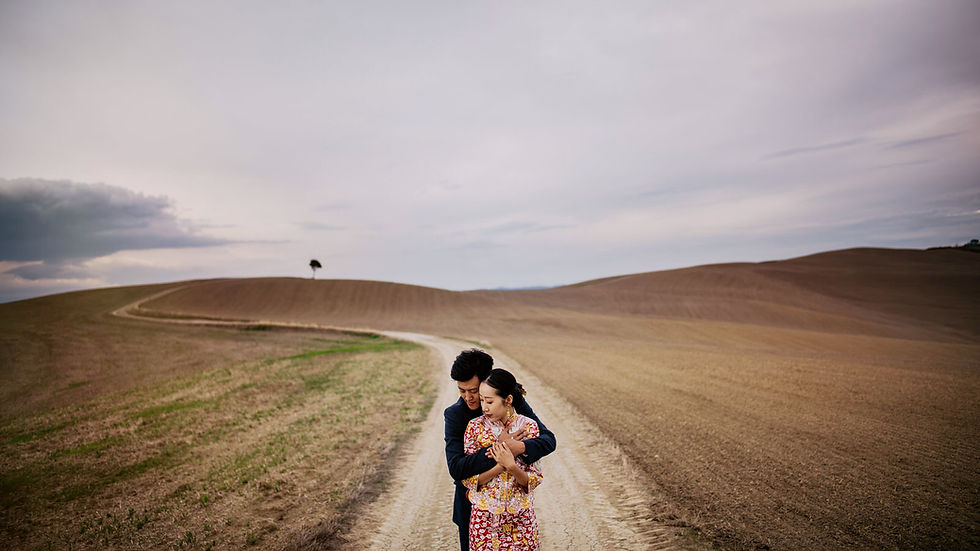
There's a reason couples from around the world dream of getting married in Tuscany. The rolling hills catch the light in ways I've never seen anywhere else. The ancient stone walls of a Chianti villa glow golden at sunset. The cypress trees stand like silent witnesses to your vows.
I'm Riccardo Pieri, and I've been photographing weddings in Tuscany for over 15 years. In that time, I've captured more than 400 celebrations across this region, from intimate elopements in Val d'Orcia to grand celebrations in Renaissance villas. I've seen the magic that happens when couples trust the Tuscan light and let the landscape become part of their story.
This guide shares everything I've learned about wedding photography in Tuscany, from a photographer's perspective. I'm not a wedding planner, and I won't tell you how to organize your catering or choose your flowers. What I can offer is 15 years of experience understanding how light, timing, and location come together to create photographs that will move you decades from now.
Whether you're just starting to plan your destination wedding or you're deep into the details, this guide will help you understand what makes Tuscany special for photography, and how to make the most of your wedding day.
Why Tuscany for Your Wedding Photos

After photographing weddings across Italy and internationally, I can tell you that Tuscan light is genuinely different. It's not marketing speak. The way the afternoon sun filters through the hills creates a softness that's almost impossible to replicate elsewhere. The golden hour here lasts longer, and the quality of light during that time is extraordinary.
But light is just the beginning. Tuscany offers an incredible variety of backdrops within short distances. In a single wedding day, I might photograph preparations in a centuries-old villa, capture the ceremony against a vineyard backdrop, and shoot portraits with medieval towers in the distance. This variety means your wedding album tells a richer visual story.
There's also something about the Tuscan atmosphere that affects how couples behave in front of my camera. The slower pace, the beauty everywhere you look, the excellent food and wine: it all creates a sense of relaxation that translates directly into more natural, authentic photographs. Couples here aren't performing for the camera. They're genuinely enjoying themselves, and it shows.
Best Time of Year for Wedding Photos in Tuscany

Each season in Tuscany offers something different for photography. Here's what I've observed after shooting weddings here year-round:
Spring (April to May)
The countryside explodes with green. Wildflowers dot the fields. The light is soft and forgiving, making it ideal for portraits at almost any time of day. Temperatures are comfortable for outdoor ceremonies. The main consideration: spring weather can be unpredictable, so flexibility is key.
Summer (June to August)
Long golden hours and reliably clear skies. The landscape takes on those classic Tuscan golden-brown tones. However, midday light is harsh and unflattering, and temperatures can be intense. I always advise summer couples to plan outdoor photos for early morning or golden hour, not midday.
Autumn (September to October)
My personal favorite for photography. The vendemmia (grape harvest) brings rich colors to the vineyards. The light becomes warmer and more dramatic. Temperatures are comfortable. The landscape has a romantic, almost melancholic quality that photographs beautifully. September and October are peak months for destination weddings here, and for good reason.
Winter (November to March)
Fewer tourists, dramatic skies, and occasional morning mist that creates ethereal photographs. Winter weddings tend to be more intimate, often focused on indoor venues with roaring fireplaces. The light is softer and lower in the sky, creating beautiful long shadows. The trade-off: shorter days mean less flexibility with timing.
Planning Your Wedding Day Timeline for Photography

Your wedding planner will help you with the overall logistics of your day. From a photography perspective, here's what matters most:
Time for Couple Portraits
I recommend allocating 45 to 60 minutes for couple portraits. This might sound like a lot, but it includes walking to different locations, allowing you to relax into the experience, and capturing a variety of moments. Rushed portrait sessions produce rushed-looking photos.
The Golden Hour Question
Golden hour, that magical time just before sunset when the light turns warm and soft, is not negotiable for great photos. I always check the sunset time for your wedding date and work backward from there. Ideally, your ceremony ends with enough time for relaxed portraits during golden hour. If that's not possible, we find creative solutions, but it's worth discussing with your planner early.

First Look vs. Traditional Reveal
A first look means seeing each other privately before the ceremony, often photographed. The traditional approach means the first time you see each other is when you walk down the aisle. Both have advantages for photography:
A first look gives us more time for portraits before the ceremony, when you're fresh and the light might be better. It also creates a private, emotional moment away from guests.
The traditional reveal captures that powerful moment of first sight during the ceremony itself, which can be incredibly moving to photograph.
There's no wrong choice. It depends on what matters most to you and how your day is structured.

Buffer Time
Things take longer than expected. Hair and makeup might run over. Transportation might hit traffic. I've seen countless couples stress during what should be a joyful day because the timeline was too tight. Build in buffer time. Your photos will be better for it because you'll be relaxed.
Choosing Your Destination Wedding Photographer in Tuscany

I'm obviously biased here, but let me share what I believe matters when choosing your destination wedding photographer:
Why Local Experience Matters
A photographer based in Tuscany knows the light at different venues throughout the seasons. They know where the sun sets in September versus June. They speak Italian, which helps with venue staff, and they have relationships with local vendors. They're not figuring things out on your wedding day.
Evaluating a Photography Style
Look at full wedding galleries, not just the highlight reel. Anyone can produce 20 stunning images from a wedding. What does a complete gallery look like? Is there consistency throughout? Do the candid moments feel authentic? Do the portraits look natural or overly posed?
Questions Worth Asking
• How many weddings have you photographed at my venue or in this region?
• Can I see a complete wedding gallery, not just highlights?
• What happens if you're ill on my wedding day?
• How do you handle difficult lighting situations?
• What's your approach: mostly candid, mostly directed, or a mix?
The Personal Connection
You'll spend significant time with your photographer on one of the most important days of your life. You need to feel comfortable with them. A video call before booking can tell you a lot about whether you'll work well together.
Popular Tuscany Regions from a Photography Perspective
Your wedding planner can guide you through the logistics of different Tuscan regions. From a purely photographic standpoint, here's what each area offers:
Chianti

The classic Tuscan landscape: vineyards stretching to the horizon, stone farmhouses, cypress-lined driveways. The light here is particularly beautiful in the late afternoon when it filters through the vine rows. Photographically versatile at any time of year.
Val d'Orcia

Those iconic cypress-lined roads you've seen in photographs? That's Val d'Orcia. The hills roll more dramatically here, creating depth and dimension in images. The soft, almost painterly quality of the landscape is particularly suited to romantic, timeless photography. Venues like Castiglion del Bosco capture the essence of this iconic Tuscan landscape.
Florence and Surroundings
Renaissance architecture, historic villas, and rooftop terraces with views of the Duomo. Urban sophistication meets Tuscan charm. The historic buildings provide beautiful backgrounds, and the surrounding hills offer countryside options within minutes. Historic villas like Villa Cora and Villa Gamberaia overlook the city with timeless grandeur.
Siena
Medieval architecture in warm terracotta tones. The brick and stone absorb and reflect light beautifully, especially in the golden hour. The surrounding countryside is classic Tuscany.
Just outside Siena, properties like Borgo Santo Pietro offer a unique combination of medieval charm and refined luxury.
What to Expect on Your Wedding Day

Every photographer works differently. Here's my approach, so you know what to expect:
I work as an unobtrusive presence during the day. During preparations, the ceremony, and the reception, I'm documenting what's happening naturally. I'm not asking you to repeat moments or pose constantly. The best wedding photography captures real emotions, not staged scenes.
For portraits, I do provide direction, but gently. I'll guide you to the best light and suggest natural positions, but I'm not looking for stiff, formal poses. I want you to interact with each other while I capture the connection between you.
If you're nervous about being photographed, that's completely normal. Most couples are. I've developed techniques over 15 years to help people relax in front of the camera. By the end of our portrait session, couples often tell me they actually enjoyed it.
After the Wedding
I typically deliver 400 to 600 edited images from a full wedding day, available in an online gallery within 6 to 8 weeks. Each image is individually edited for color, exposure, and tone, maintaining a consistent look throughout your gallery.
Tips from 15 Years of Experience

After more than 400 weddings, here's what I wish every couple knew:
Trust your photographer's timing suggestions. If we recommend starting portraits at 5:30 PM, there's a reason. We know where the sun will be and how long we need to capture great images.
Don't cut portrait time to 'save time.' Those 45 minutes of couple portraits will produce images you'll treasure for the rest of your lives. The cocktail hour will continue fine without you for a bit.
The spontaneous moments are often the best. The glance you exchange during vows, the laugh during the first dance, the quiet moment alone before the ceremony. Relax into your day and let those moments happen naturally.
Consider an engagement session. It's not just about the photos, though those are lovely. It's about getting comfortable with me and my camera before the wedding day. Couples who do engagement sessions are noticeably more relaxed during wedding portraits.
Communicate your priorities. If there's a specific shot you've dreamed of, tell me. If there's a family member I absolutely must photograph, let me know. I can't read minds, but I can absolutely deliver on clearly communicated wishes.
Let's Talk About Your Wedding
Planning a destination wedding involves countless decisions. Choosing your photographer is one of the most important because it determines how you'll remember this day for the rest of your lives.
I've shared everything I know about wedding photography in Tuscany in this guide. If it resonates with you, if my approach and my work feel like a good fit for what you're imagining, I'd love to hear about your plans.
No pressure, no hard sell. Just a conversation about your wedding and whether I'm the right photographer to capture it.

If you're a wedding planner looking to collaborate, visit my page for wedding professionals. If you're looking for a destination wedding photographer in Tuscany, I'd love to hear about your plans.
Frequently Asked Questions
How far in advance should I book a destination wedding photographer in Tuscany?
Most couples book 12 to 18 months in advance, especially for peak season between May and October. The most requested dates fill up quickly, so it is best to get in touch as early as possible.
Do you work with international couples who do not speak Italian?
Yes. The majority of my clients come from the United States, the United Kingdom and Northern Europe. The entire process, from the first inquiry to the wedding day, is handled in English.
How many photographs will I receive after the wedding?
I typically deliver between 400 and 600 individually edited images, available in an online gallery within 6 to 8 weeks from the wedding date.
Do you travel outside of Tuscany for destination weddings?
Yes. While Tuscany is my home base, I regularly photograph weddings across Italy, including Florence, Umbria, the Amalfi Coast, Lake Como, Sicily and Rome.